Erosion on a steep hill or waterfront is more than just an eyesore; it’s a costly problem that will only get worse with time. Often, property owners waste valuable resources on temporary fixes that just wash or wear away.
You don’t have to settle for sub-par solutions that don’t last. Superior Groundcover offers innovative erosion control solutions that get stronger with time. No matter the size of the project or slope of the terrain, we can create a stable, beautiful landscape that lasts.
What is erosion?
Erosion is a powerful, natural force that is constantly reshaping the land. While it’s a normal geological process, it is often accelerated by human activity or extreme weather. When bare soil is stripped of its protective vegetation, it is easily washed or blown away. Although most property owners don’t sit around agonizing about erosion control, destabilized land can quickly deteriorate into dangerous conditions. Unchecked erosion can lead to structural damage to buildings and foundations. The impact can range from lower property values to complete destruction. In the US alone we spend roughly $500 million per year repairing coastal erosion. Soil erosion causes around $8 billion in global economic losses each year.
Erosion problems also impact water quality. Sediment pollutes waterways, reducing water clarity, harming aquatic habitats, and carrying pollutants like pesticides and heavy metals into water systems.
This seemingly small problem has a big impact on landscapes, the environment, and our budgets. To make matters worse, common erosion control usually focuses on short-term fixes instead of long-term solutions.
The Barriers to Stopping Soil Erosion in Difficult Terrains
Although any landscape is prone to erosion, some areas, like water edges, steep hills, and sand dunes, are naturally more vulnerable. In these areas, you need specialized erosion control methods for lasting protection.
Water Edges
The banks of rivers, lakes, and ponds are in a constant battle with the water that flows beside them. Wave action, fluctuating water levels, and strong currents continually pull soil away from the shore. Hard structures like seawalls can help prevent the erosion of water edges. However, protecting these dynamic edges, without damaging the delicate ecosystem, requires a more flexible solution. You need something that can absorb energy and establish deep-rooted vegetation right at the water line.
Steep Slopes and Hillsides
Gravity is the main cause of slope erosion. When it rains, water rushes downhill, gaining speed and power, carrying loose soil with it. Slope erosion can cause unwanted rills or even dangerous landslides. At the same time, establishing vegetation on these inclines is just as challenging. Bringing heavy construction equipment to a steep slope can also be very difficult, if not impossible. Newly planted seeds and soil often wash away before the plants even have a chance to take root.
Fragile Sand Dunes
Coastal and lakeside sand dunes are vital ecosystems that act as a natural barrier against storms and flooding. They are important for the environment and for the luxury homes built alongside them. At the same time, dunes are incredibly fragile.
Wind is constantly shifting and removing sand from sand dunes. Foot traffic and construction activities can easily destroy the dunes and specialized grasses that hold them together. Without strong root systems to fortify them, dunes are left exposed and vulnerable. Not only is that bad news for the environment but it can also be disastrous for property owners. Rebuilding and stabilizing these delicate fortresses requires a gentle yet effective approach.
Smarter Erosion Control: Vegetation Over Structure
Often, property owners choose to build hard structures like retaining walls or concrete barriers to deal with erosion. While these can be effective, they are often expensive, disruptive to install, and can harm the local ecosystem.
At Superior Groundcover, we believe that utilizing natural means provides a more sustainable, cost-effective, and aesthetically pleasing solution. By establishing healthy vegetation, we can create living, self-healing erosion barriers. Once plants are established, the root systems hold the erosion-prone soil in place, helping prevent erosion long term. We can provide custom erosion control measures for even the most complex situations.
For Water Edges: Supported Vegetation
Instead of building a hard wall, we install materials that move and adapt with the water. These vegetative solutions are often more cost-effective than seawalls and create valuable habitat for wildlife.
- SOX Systems: These are patented mesh systems designed to hold soil and vegetation in place along a shoreline. We fill these large mesh “socks” with soil and anchor them along the water’s edge. This provides immediate stability, giving native plants time to grow through the mesh. SOX systems create a lush, deeply-rooted buffer that holds the shoreline together naturally.
- Coconut Wattles (Coir Logs): These biodegradable logs are made from natural coconut fibers. They can be placed along the water’s edge to add structural stability, dissipate wave energy, and trap sediment. We can plant native wetland vegetation directly into and behind the coir logs, which eventually grow to form a stable, vegetated bank as the log slowly breaks down.
For Slopes and Hills: Advanced Hydroseeding
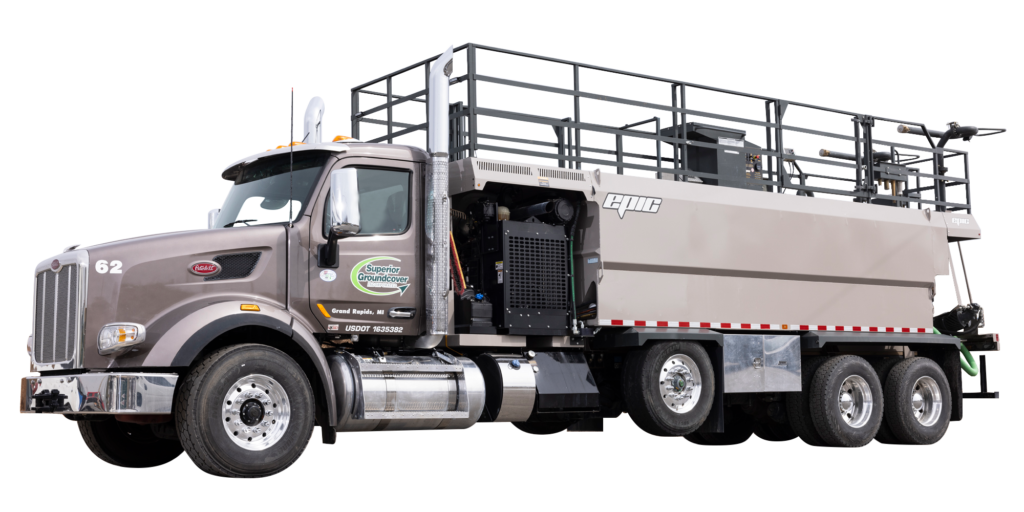
Getting healthy plant growth established on a steep slope is our specialty. We use a variety of hydroseeding techniques tailored to stop soil erosion from destroying slopes and hillsides.
- Erosion Control Blankets: For highly erosion prone landscapes, one option is to use biodegradable erosion control blankets. There are two main ways we use erosion control blankets to lessen erosion on slopes and hills.
The first would be to spread the seed and then pin down erosion control blankets over the seeded area. Next, we hydroseed directly on top of the blanket, adding both a second layer of protection and other key ingredients, like fertilizer, to help the grass grow quickly.
The second option is to lay erosion control blankets on top of hydromulch after it has dried. The combination of the erosion control blanket and the hydromulch provides strong protection against washouts and keeps the seed in place while it germinates.
- Flexterra® High Performance-Flexible Growth Medium™: This is not your average hydromulch. Flexterra is a technologically advanced solution that provides extra holding power. Once it is sprayed onto the ground, it binds directly to the soil, creating a porous, stable cover that holds water, protects seeds, and withstands heavy rain.
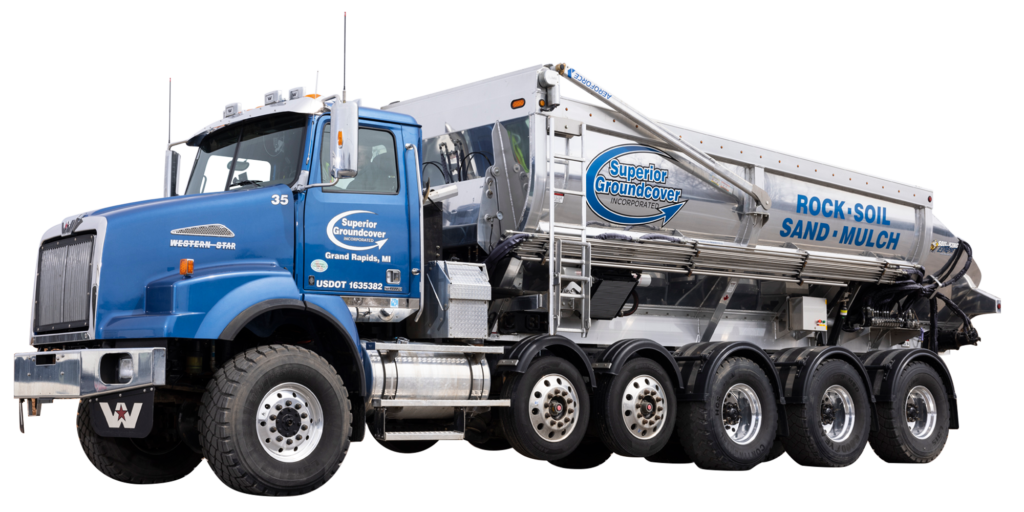
- Blow-In Soil and Hydroseeding: If erosion has already taken place and the hill is full of rills, we can install soil where needed and then hydroseed over top of the freshly placed soil. Our blower trucks have long, light application hoses that allow us to add soil to affected areas without making a bigger mess. The end result is a smooth and even hillside stabilized by newly planted vegetation.
- Terraseeding®: If erosion has already created unsightly rills on your property, Terraseeding® solves both problems at once. We use our pneumatic blower trucks to apply a custom blend of soil and seed directly onto the slope. This simultaneously fills in the eroded area and plants the seeds needed for permanent plant cover.
- Drone Seeding: Some slopes are simply too remote or dangerous to access by ground. For these situations, we use large, heavy-lift drones to broadcast seed and fertilize the area. Using this innovative method, we can restore vegetation and prevent erosion in even the most inaccessible locations.
For Sand Dunes: Gentle Restoration
Rebuilding a dune requires a delicate touch to stabilize the area without causing further damage. We have all the necessary equipment and expertise to do it right.
- Sand Replenishment: Using our specialized sand or slinger trucks, we can precisely place large volumes of sand to rebuild the dune’s structure without the need for heavy, destructive machinery on the dune itself. We can then plant dune grasses to protect the dune from future erosion.
- Hydroseeding with Proganics®: For dune sand that lacks the nutrients needed to support plant life, we can apply Proganics® Biotic Soil Media as part of our hydroseeding mix. This patented solution introduces organic matter and soil-building microorganisms to kickstart growth.
- Geotextile Tubes: In areas needing heavy-duty reinforcement, we install large geotextile tubes. These massive, sand-filled bags provide a stable foundation that can then be covered with sand and dune grass.
Superior Groundcover: Equipped and Experienced
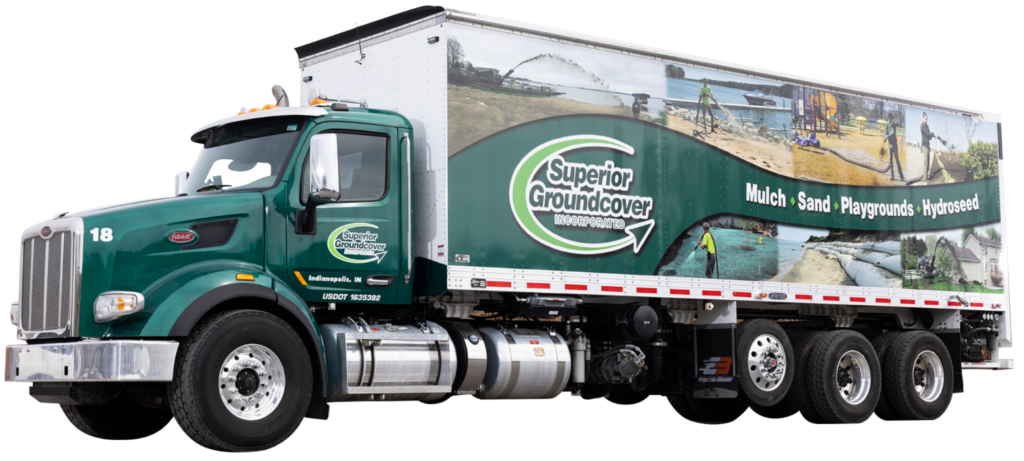
From windswept dunes to steep, unstable hillsides, Superior Groundcover has the experience and technology to handle even the toughest erosion control problems. Our focus on innovative, long-term solutions leads to effective and environmentally sustainable results. With our specialized equipment, we can tackle even large projects in a fraction of the time.
If you are facing a challenging sand or soil erosion issue, or need to get an area hydroseeded quickly before it rains, don’t wait for the problem to get worse. Request an estimate from Superior Groundcover today. We will protect and restore your eroded land quickly and efficiently. A fortified property is just a phone call away.