For playgrounds to be full of care-free fun and adventure, they have to be created and maintained with safety in mind. With children running, climbing, and jumping, falls are inevitable. That’s why keeping your playground surfacing material at the right depth for playground impact zone compliance is critical. Keeping playground surfacing at the right depth minimizes the risk of injuries and keeps your facility compliant with safety standards.
What Are Playground Impact Zones?
Impact zones are the areas beneath and around playground equipment where children are most likely to fall, such as under swings and slides. These zones are subject to rigorous safety standards to cushion the impact of a fall and reduce injuries.
According to the U.S. Consumer Product Safety Commission (CPSC), approximately 70% of playground-related injuries are due to falls. To prevent serious injuries, the surfacing material in playground impact zones must be installed and maintained at the proper depth. This helps prevent concussions or fractures while providing liability compliance for playground owners.
Depth Requirements for Playground Impact Zones
Playground Impact Zone Guidelines
ASTM F1292 outlines the guidelines for impact attenuation (the ability to absorb impact energy) of popular playground surfacing materials. Essentially, they are using the critical fall height to calculate the amount of cushion needed to protect a child from a severe head injury if they were to fall from that piece of play equipment.
Following the ASTM F1292 safety guidelines ensures playground surfaces meet the minimum safety standards. Again, this is to keep kids safe, playgrounds complaint, and parents worry-free.
Recommended Playground Surfacing Depth by Equipment Type
Different types of playground equipment require different surface depths based on their critical fall height. All playground equipment should have a sticker that marks the critical fall height of that structure.
For loose-fill materials like Engineered Wood Fiber (EWF), the general depth recommendations are:
- 6 inches of depth for fall heights less than 10 feet
- 8 inches for fall heights of 10 feet
- 10 inches for fall heights of 12 feet
- 12 inches for heights of 14 feet
Consistently maintaining these depths for engineered wood fiber mulch, or any loose fill surfacing material, ensures the playground has enough shock absorption under tall equipment to keep kids safe from life threatening head injuries.
How to Measure Playground Surfacing Materials
Once loose fill playground surfacing materials, like engineered wood fiber mulch, is in place, it needs ongoing maintenance to keep the mulch depth in compliance. To ensure the wood chips are at the right depth, you’ll need to measure the surfacing depth across the impact zone.
A few commonly used measurement tools are:
- Physical Tools: A simple tape measure or ruler can provide quick readings at multiple points.
- Digital Tools: Digital depth gauges improve accuracy and make it easier to record measurement data over time.
The Importance of Monitoring Playground Surfacing Materials
No matter what surfacing material you use, it is important to conduct routine checks to keep the playground site safe.
You should plan to do a playground safety check:
- At least once each quarter
- After heavy usage or weather events (e.g., storms causing material displacement)
It is also important to keep documentation of measurements as proof that the playground surfacing material is maintained regularly. This will prevent issues for inspections or insurance purposes.
Best Practices for Selecting and Maintaining Playground Surfacing Materials
Choosing the Right Surfacing Material
We recommend Engineered Wood Fiber (EWF) playground mulch for your playground surfaces. It’s safe, affordable, and eco-friendly. When placed at the right depth, its shock absorbing properties are enough to prevent serious playground injuries.
Although there are other loose-fill surfacing materials like rubber mulch, sand, and pea gravel, EWF stands out as the most accessible and versatile option for impact zones.
Why Choose EWF for Playground Surfaces?
- Safety: It is designed and manufactured for impact absorption and safety.
- Eco-Friendly: EWF is made from natural, environmentally-friendly materials, unlike rubber-based playground surfacing.
- Accessibility: EWF meets ADA standards when properly installed and maintained, ensuring an accessible playground for all.
The Importance of Yearly EWF Replenishment
It is important to remember that EWF decomposes over time. As it decomposes and settles, the amount of cushion in the playground impact zones diminishes.
Placing EWF at the right depth during the initial application puts you in compliance. Regular monitoring and yearly EWF replenishment keeps your playground in compliance.
Risks of Improper Protective Surfacing Depth
What happens when your playground surfaces aren’t deep enough to meet playground safety standards? The risks are real and costly:
Injuries and Emergency Room Visits
The US Consumer and Product Safety Commission reports that more than 200,000 children visit emergency rooms due to playground-related injuries each year. These injuries are often caused by inadequate protective surfacing. Keeping playground mulch or other surface systems at the right depth will cushion falls and reduce the risk of serious injuries like concussions, fractures, and abrasions.
Compliance and Legal Challenges
Failing to meet ASTM standards can lead to compliance violations, legal liabilities, and issues with insurance claims. Written documentation of regular maintenance and inspections help mitigate these risks while highlighting your organization’s commitment to safety.
Why Superior Groundcover Is the Best Choice for Playground Surfacing
At Superior Groundcover, we know that playground safety is non-negotiable. Improper or uneven playground mulch can turn playtime into a disaster. That’s why our expert crew is trained to read the critical height rating of play structures and calculate how much playground mulch needs to go in the impact zone.
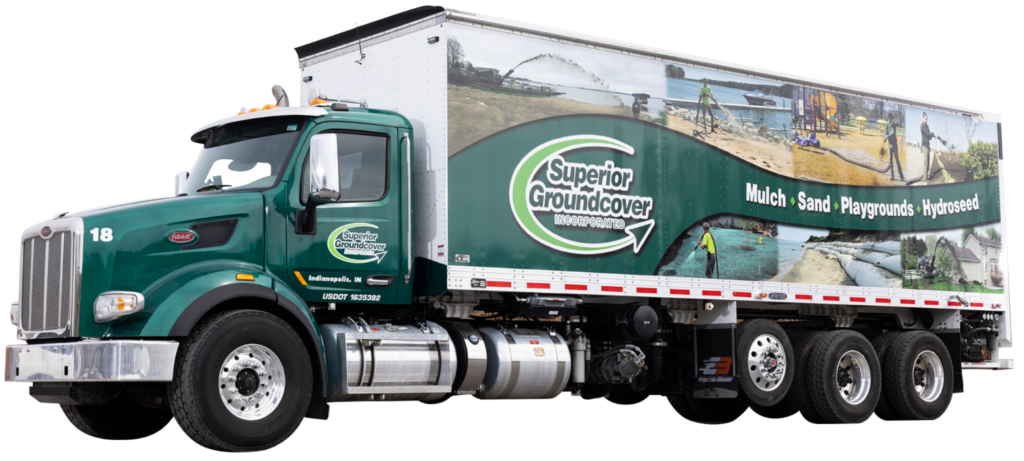
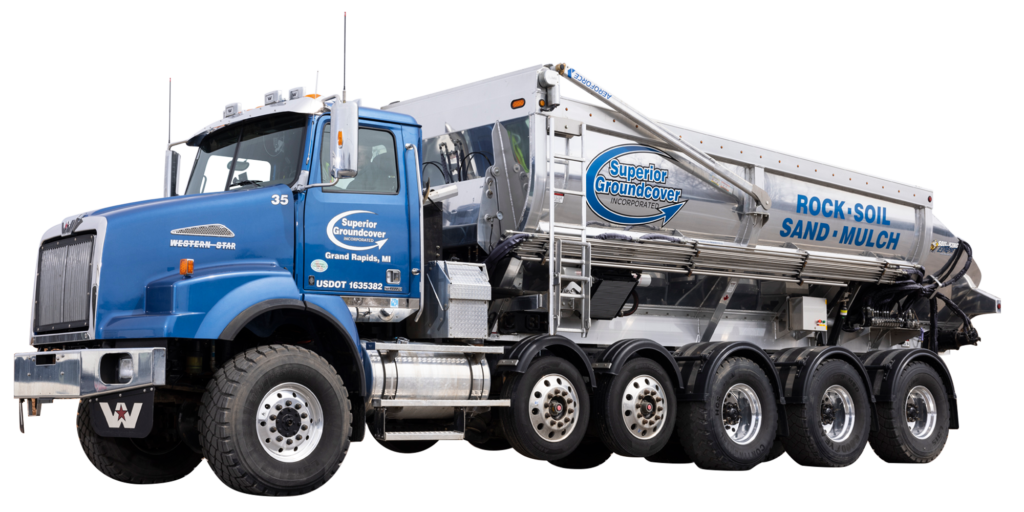
Our streamlined installation process will get your playground in compliance much faster than a crew could by hand, using our advanced blower trucks. We can accurately place EWF, even in hard to reach places, without making a mess or damaging your property. We also use engineered wood fiber mulch that meets ASTM standards for impact attenuation.
Whether you’re installing a new playground or replenishing an existing one, our team can get you the best surfacing material installed in the least amount of time.
Contact Superior Groundcover today to get a free quote for your EWF installation or replenishment. Because when it comes to playground safety, every inch matters.